

How Screen Printing Companies Are Innovating With Technology
Screen printing companies are increasingly leveraging technology to enhance traditional methods and integrate innovative solutions. Your equipment can be built on time-honored mechanics, but the modern marketplace demands digital precision, rapid turnarounds, and absolute waste reduction. This comprehensive article explores the various facets of how these enterprises are adopting new technologies to improve efficiency, quality, and sustainability in their operations.
Technological advancements are rapidly reshaping the printed graphic landscape, enabling businesses to offer enhanced products while drastically reducing their localized environmental impact. The strategic integration of state-of-the-art software and machinery also helps companies meet the volatile demands of modern customers, who expect quick, highly customized, and eco-friendly solutions. As a result, the industry is witnessing an unprecedented evolution, setting new benchmarks for creative innovation and extensive market growth.
1. Adoption of Digital Printing Technologies
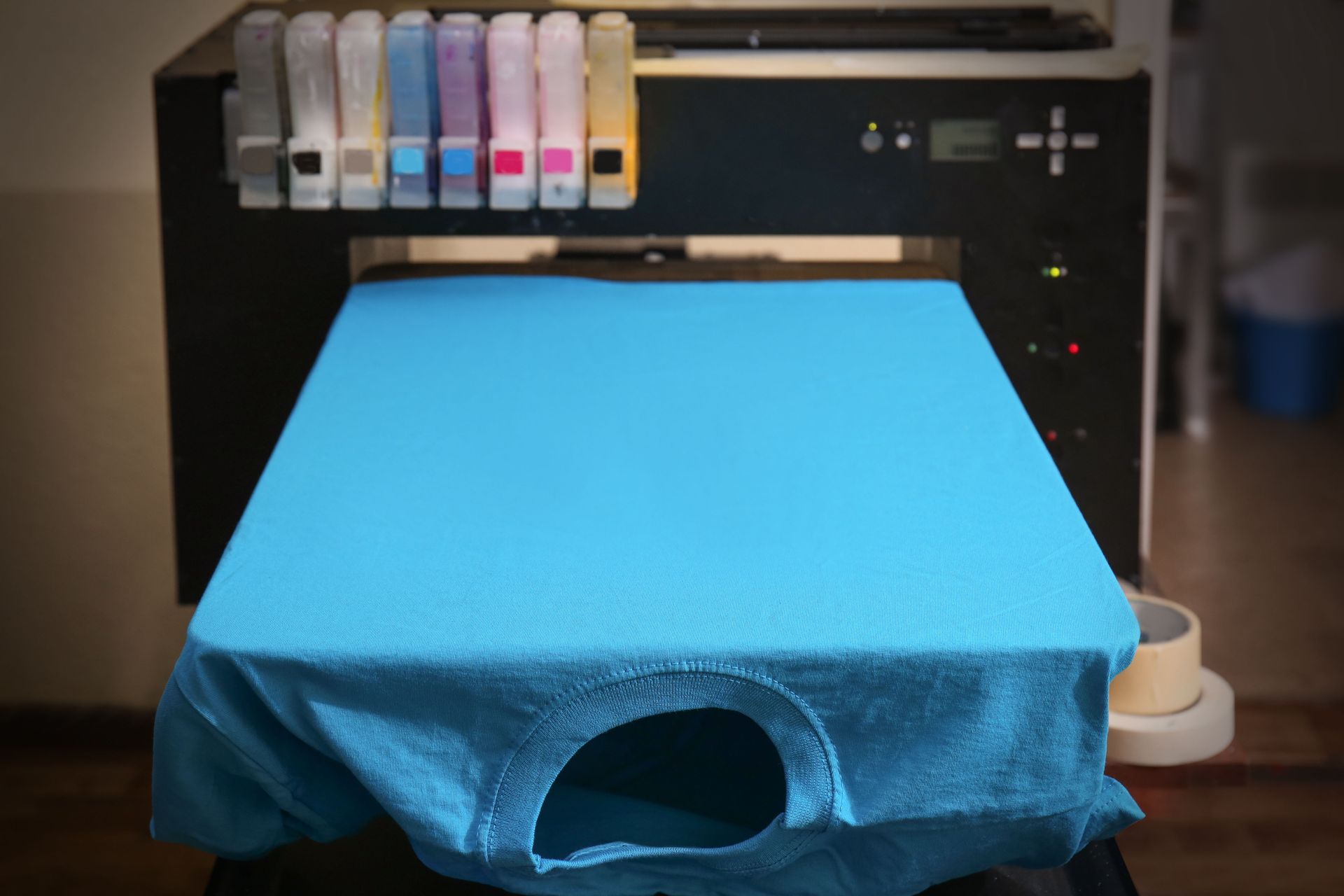
Direct-to-Garment (DTG) printing is quickly becoming a foundational cornerstone for modern screen printing companies. Unlike traditional multi-step analog emulsion methods, DTG technology allows for near-instantaneous setup times and exceptional graphic flexibility, making it ideal for low-minimum custom orders and highly intricate designs.
With advanced industrial inkjet printheads, production shops can efficiently create vibrant, high-resolution prints on demand, virtually eliminating chemical screen waste and increasing personalization potential. The seamless integration of DTG hardware enables commercial businesses to cater to diverse consumer niches without incurring excessive labor overheads, making it highly beneficial for startup ventures aiming to minimize initial production costs.
Hybrid automated printing is another technological breakthrough that masterfully blends the high-output speed of traditional vinyl analog methods with the pixel-perfect detail of digital inkjet arrays.
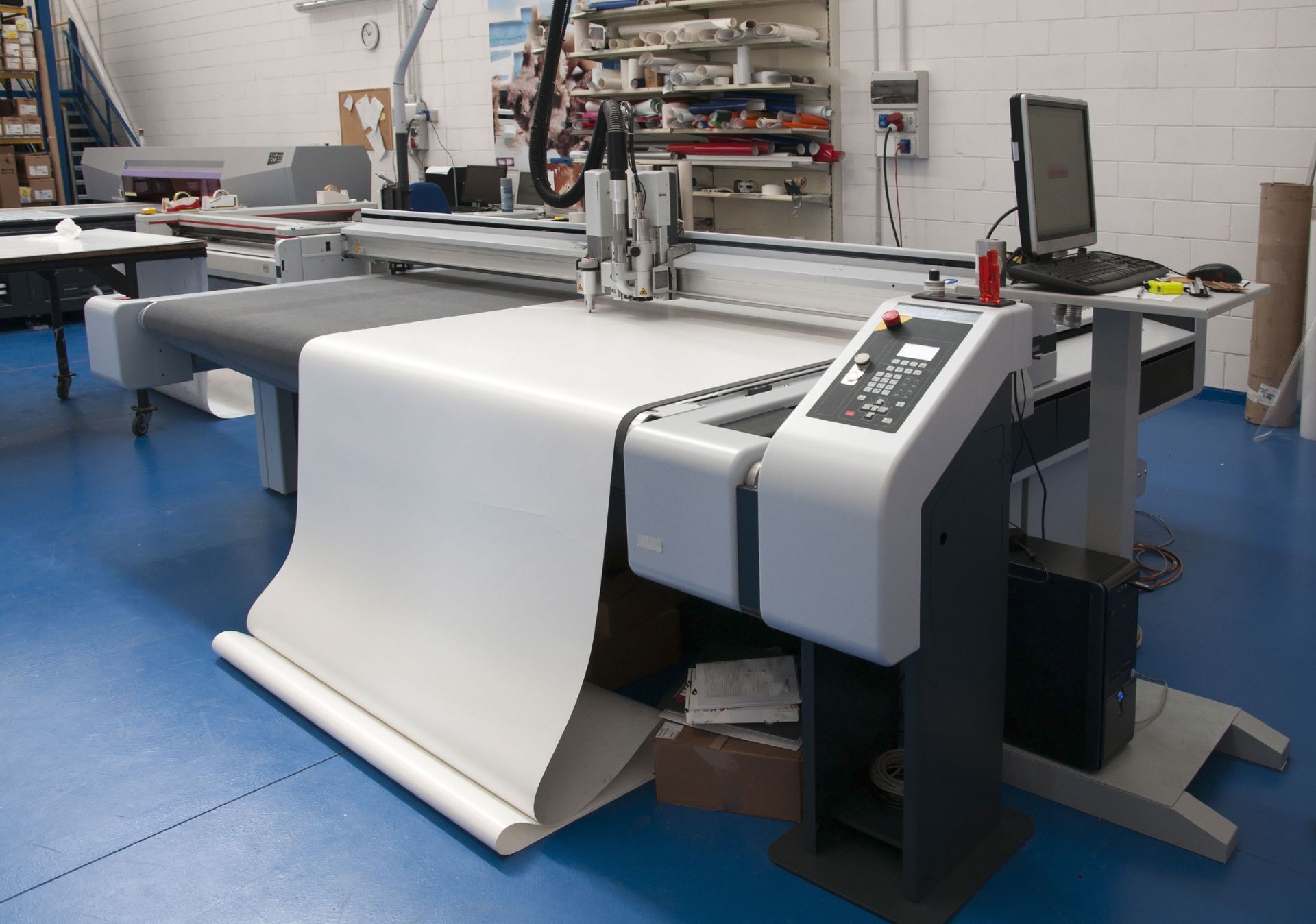
The structural precision provided by CAD ensures reduced ink waste and perfect alignment across automatic presses, resulting in a significantly more polished final garment. Production shops leveraging modern CAD tools are able to accelerate their internal design approvals while maintaining strict adherence to client specifications, optimizing overall shop workflow. According to the Specialty Graphic Imaging Association, over 30,000 screen printing companies are operating in the US.
In this highly saturated commercial landscape, businesses that aggressively adopt darkroom automation gain a massive competitive edge in production speed and registration accuracy. Furthermore, high-speed digital inkjet printing offers extensive scaling benefits for mass-production environments, allowing facility operators to switch graphics between production runs seamlessly without teardown delays, maximizing operational uptime.
2. Enhancing Color Matching and Calibration
Digital spectrophotometers have become indispensable tools for eliminating visual guesswork and enforcing strict color consistency. These optical devices measure the exact intensity of light wavelengths reflected off a substrate, ensuring that mixed ink formulas meet the precise Pantone specifications of corporate clients.
The systematic use of spectrophotometers guarantees exact color replication across entirely different garment batches, which is absolutely crucial for maintaining corporate brand integrity and securing customer satisfaction. By incorporating this diagnostic hardware, competitive screen printing companies offer an elite degree of color precision that sets them apart from uncalibrated shops.
Real-time color adjustment and automated calibration technologies are also revolutionizing on-the-fly press management during high-speed production runs. Advanced optical sensor arrays monitor active press output continuously, instantly alerting press operators to minor ink density shifts or screen breakdown before defects manifest across an entire order.
By providing instantaneous diagnostic feedback, automated color management software solutions prevent expensive misprints and drastically reduce material scrap rates. This real-time visibility empowers companies to guarantee flawless visual consistency across diverse textiles, from standard cotton shirts to synthetic athletic polyesters, building deep customer trust.
3. Workflow Optimization and Productivity Tracking
Lean manufacturing techniques are increasingly being deployed by industrial screen printing companies seeking to eliminate operational bottlenecks and boost total daily throughput. These methods focus heavily on minimizing material handling waste, optimizing physical shop layouts, and maximizing value for the end consumer.
By integrating lean principles, production managers can significantly lower internal operational costs and improve shop turnaround times without compromising print quality. The systematic reduction of unnecessary manual steps leads to more sustainable business practices and healthier profit margins across competitive regional markets.
Robotic handling systems and automatic unloader arms are redefining physical labor metrics within high-volume production facilities. Integrating robotic arms into automatic press carousels removes the labor-intensive task of manually pulling hot garments off the platens and placing them onto dryer conveyor belts.
This automation allows screen printing companies to scale up their daily output capacity without requiring a proportional expansion of their physical workforce. This advancement minimizes the risks of human handling smudges, improves workplace safety parameters, and ensures uniform quality control over massive contract runs.
Digital inventory solutions and data-driven predictive maintenance technologies further protect facilities from unexpected, costly downtime. By utilizing specialized IoT sensors attached to high-speed automatic presses, software analytics can track mechanical vibrations and heat signatures to anticipate component failures before they physically occur.
This proactive maintenance model allows facility managers to schedule hardware repairs during off-peak hours, ensuring that automated print lines continue to operate smoothly without delaying client deliveries.
4. Advances in Eco-Friendly Printing Solutions
The global transition toward environmental sustainability has pushed water-based and eco-solvent ink systems directly into the commercial spotlight. These advanced ink formulations provide a highly sustainable alternative to traditional PVC-based plastisol inks, offering a significantly lower environmental footprint without sacrificing color vibrancy or wash durability.
Water-based inks pass completely into the textile fibers rather than sitting on top, creating an incredibly soft hand feel that is highly desired in retail markets. For forward-thinking screen printing companies, adopting green chemistry signifies a transparent commitment to environmental stewardship.
By minimizing material waste through high-precision digital printing and systematically tracking the operational carbon footprint of their equipment, modern companies appeal directly to environmentally conscious corporate clients and sustainably focused consumer brands.
5. Customization, E-Commerce, and Automation
Advanced data analytics and interactive web-to-print e-commerce solutions are fundamentally altering how customization providers interact with their target audiences. Modern web portals empower clients to upload artwork, adjust virtual placements on 3D digital apparel mockups, and submit precise orders directly into the shop's production queue without manual intervention.
For commercial printing companies, this end-to-end digital integration eliminates manual order-entry mistakes, shortens approval cycles, and opens up highly scalable revenue streams across tech-savvy consumer markets. Some progressive apparel facilities are even utilizing augmented reality (AR) smartphone previews, allowing consumers to virtually project custom designs onto a t-shirt before checking out, lowering return rates and significantly boosting digital order conversions.
Artificial intelligence and automated order tracking portals are setting a new baseline standard for client communication and transparency within the custom apparel sector. Sophisticated AI-driven customer support tools handle routine client inquiries regarding bulk pricing tiers, garment availability, and file requirement specifications, providing instantaneous feedback around the clock.
The ongoing intersection of advanced digital technology and traditional screen printing mechanics is driving a massive revolution across the custom apparel landscape. From the integration of automated computer-to-screen imaging and precision hybrid presses to the implementation of smart ERP workflows and eco-friendly ink systems, screen printing companies must continuously innovate to survive. Embracing these advanced manufacturing technologies ensures flawless color calibration, minimal material waste, and rapid order fulfillment. Ultimately, investing in modern infrastructure allows businesses to deliver top-tier retail quality while scaling their operations responsibly.
Don't settle for uncalibrated colors, blurry graphics, or delayed turnarounds on your organization's custom apparel. For precision automated engineering, vibrant, sustainable inks, and exceptional client service you can completely depend on, contact Embroidery Creations of Londonderry today to schedule a detailed design consultation and discover how our advanced decoration solutions can beautifully elevate your brand's presence.

Share On: